

Indonesia is home to a wide variety of spices and agricultural treasures, many of which have gained international recognition. One such hidden gem is candlenut (Aleurites moluccanus), known locally as kemiri. Often overshadowed by more famous spices like cloves and nutmeg, candlenut plays a crucial role in Indonesian cuisine, traditional medicine, and even the cosmetic industry.
What is Candlenut?
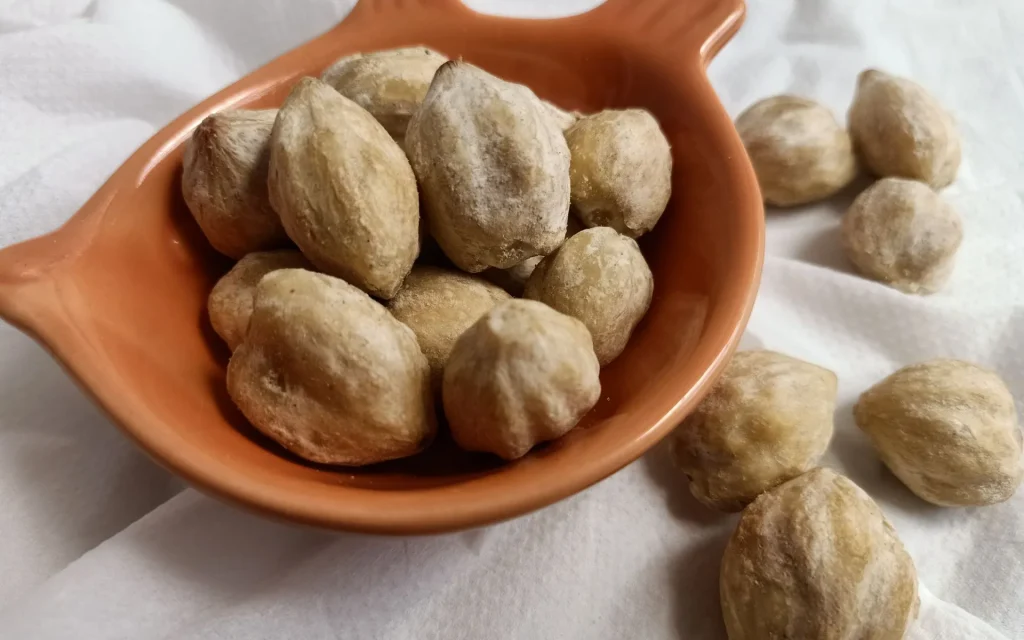
Candlenut is a tree nut commonly used in Southeast Asian and Pacific cuisines. It resembles macadamia nuts in appearance but has a distinctively rich, creamy texture and mild, slightly bitter taste when raw. To unlock its full flavor, candlenut must be roasted or cooked, making it a staple ingredient in spice pastes, sauces, and curries.
The Culinary Importance of Candlenut
In Indonesian cooking, candlenut is an essential ingredient in bumbu, the aromatic spice paste that forms the foundation of many traditional dishes. Its high oil content adds a smooth, thick consistency to sauces, enhancing the texture of dishes like Rendang, Opor Ayam, and Sambal Kemiri. Beyond Indonesia, candlenut is widely used in Malaysian, Thai, and Polynesian cuisine, proving its versatility in the global culinary scene.
Nutritional & Health Benefits
Beyond its culinary value, candlenut is rich in healthy fats, proteins, and essential minerals. It has long been used in traditional medicine for its potential benefits, such as:
Indonesia as a Leading Producer of Candlenut
Indonesia is one of the world’s largest producers of candlenut, with vast plantations spread across Java, Sumatra, Sulawesi, Kalimantan, East Nusa Tenggara, and Gorontalo. The country’s tropical climate and nutrient-rich soil provide ideal growing conditions for candlenut trees, allowing them to thrive and produce high-quality nuts sought after in international markets.
Sustainability & Ethical Sourcing
As global demand for natural ingredients increases, sustainable farming practices have become a priority. Many Indonesian farmers cultivate candlenut using organic and environmentally friendly methods, ensuring a steady supply while preserving local ecosystems. Nusantara Agri Ventures is committed to ethical sourcing, working closely with local farmers to provide premium-quality candlenuts that meet international food safety standards.
Conclusion
Though often underrated, candlenut is an integral part of Indonesia’s culinary and cultural identity. Its versatility, health benefits, and economic value make it a key player in the global spice trade. As the world continues to seek natural and high-quality ingredients, Indonesian candlenuts are poised to shine on the international stage.
For more insights into Indonesia’s agricultural treasures, explore our other articles on Nusantara Agri Ventures.